On-device wildlife finder and research project
Find the animal. Inspect the evidence.
Upload an enclosure photo to run the detector in your browser. The research section shows how crop choice changes recognition accuracy and cost.
Photos stay on this device
Interactive finder
Search an enclosure photo
Choose a photo or use the camera. The browser downloads the detector once, keeps the image local and turns the result into a short spotting game.
Measured results
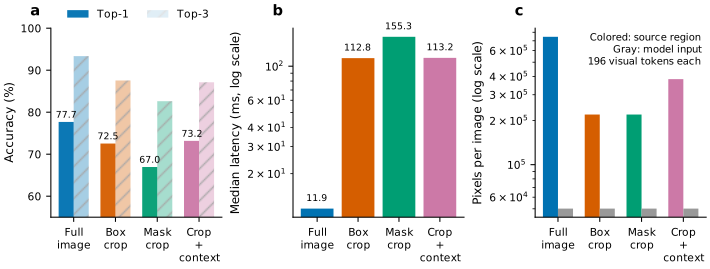
Tighter crops did not make this recognizer cheaper
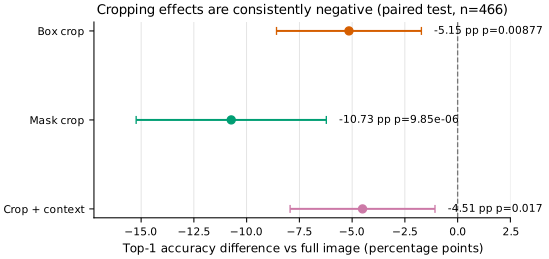
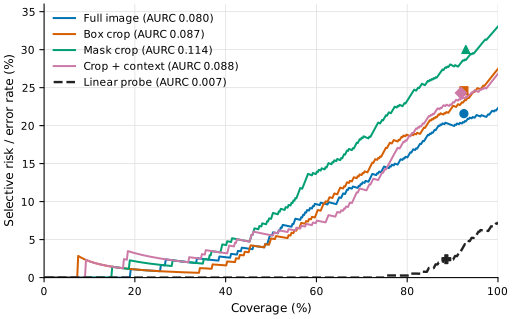
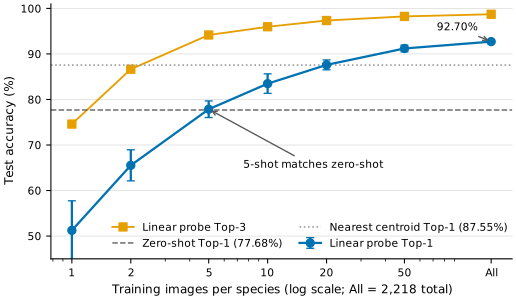
Paired tests cover 466 frozen iNaturalist images across 16 species. The encoder still processed 196 patches after tight crops cut source pixels. Recognition accuracy fell.
Frozen research profile
Validated data with a strict license boundary
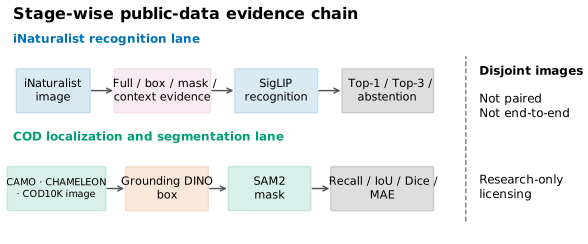
Researchers verified 3,122 iNaturalist images and 6,392 COD image-mask-edge groups. Licenses restrict this collection to research, so the public detector never loads a checkpoint trained on it.
unique images · 16 species
2,218 / 438 / 466 split
image · mask · edge groups
CAMO · CHAMELEON · COD10K
all files decodable
research-only license gate
What this site publishes
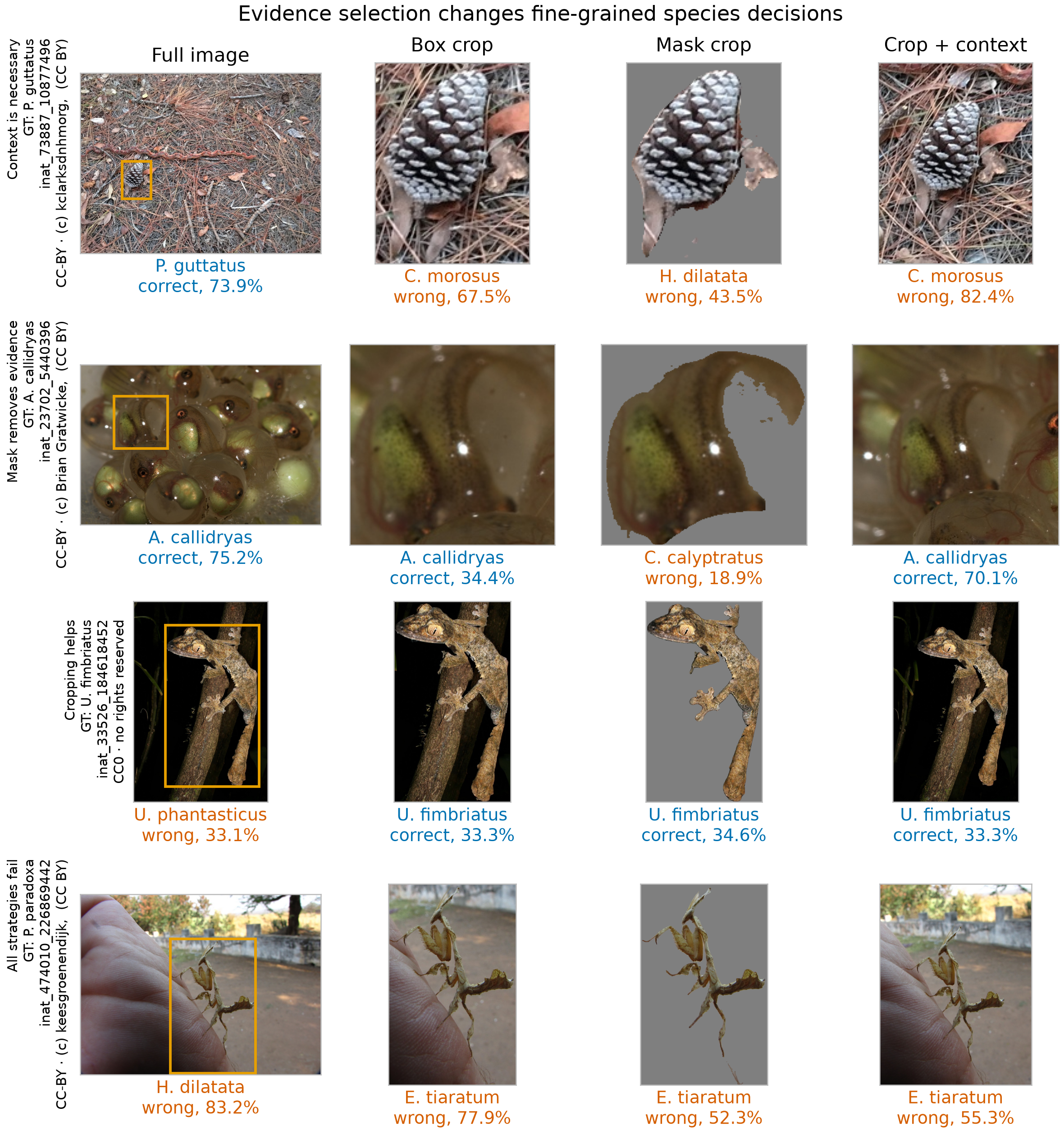
The site publishes quantitative figures and four CC BY or CC0 iNaturalist examples with attribution. It omits the COD qualitative gallery because the frozen manifest lacks per-image authorship.
iNaturalist · CC BY / CC0
Cases you can inspect
These four paired examples show context loss, mask damage, one useful crop and a failure shared by all views. The source links and licenses remain attached below the figure.
Preprint in preparation
When Cropping Hurts
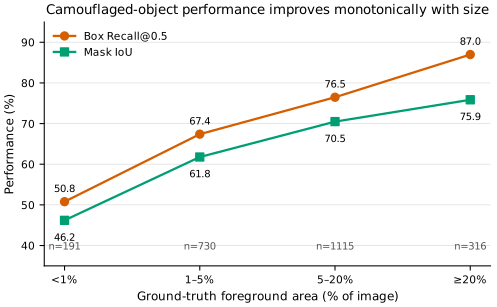
The draft presents a controlled boundary study. It measures where evidence cropping harms fixed-resolution fine-grained wildlife recognition.
01 · paired full / box / mask / context intervention02 · source-pixel vs encoded-patch accounting03 · stage-wise COD size diagnosis